
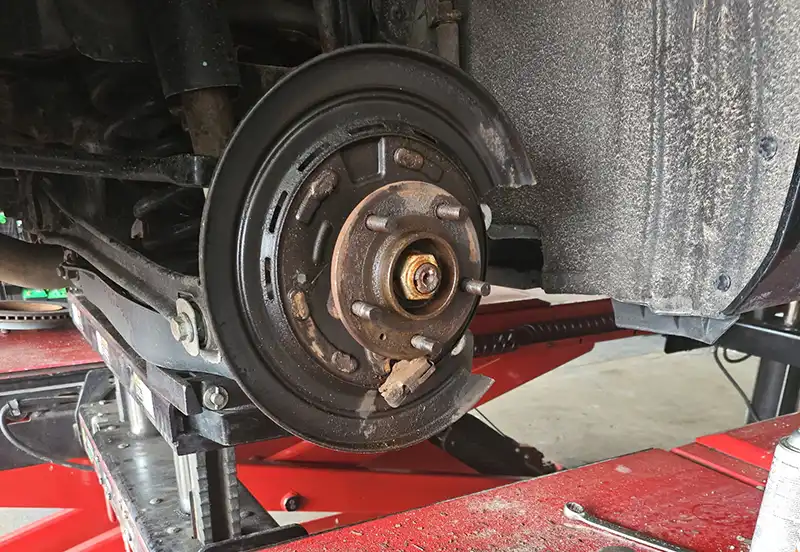
Every time you slide into the driver’s seat and hit the open road, your safety depends almost entirely on your vehicle’s ability to stop on command. We often take our braking systems for granted—until they stop working correctly. Ignoring routine auto maintenance can lead to incredibly stressful, dangerous situations on the highway. Fortunately, your car is designed to communicate with you and will almost always tell you when something is wrong long before a complete failure occurs.
Understanding the warning signs your brakes need repair can save you significant money in the long run and, much more importantly, keep you, your passengers, and other drivers out of harm’s way. Let’s dive deep into ten distinct red flags that indicate it is time to schedule a professional brake check.
1. Squealing or Grinding Noises
The most common and noticeable early indicator of brake trouble is sound. If you begin to hear a high-pitched squeak when you press the pedal, it’s usually the built-in wear indicator—a small metal tab designed to alert you that your pads are getting dangerously low.
Understanding the difference between squealing vs grinding brake noise is absolutely essential for your safety. While a high-pitched squeal means you have a short window to replace your pads, a deep, guttural grind indicates the friction material is completely worn away. At this point, the metal brake caliper is rubbing directly against the metal rotor. This inevitably leads to metallic scraping sounds while driving and causes severe, expensive damage to your wheels.
2. A Soft or Spongy Brake Pedal
Pay close attention to how your foot feels when applying pressure to stop. If your brake pedal feels spongy or soft, requiring you to press it nearly to the floorboard with very little resistance, you are dealing with a critical issue.
This lack of hydraulic pressure could be caused by air trapped in the brake lines, but it is also one of the classic failing master cylinder symptoms. Alternatively, it might stem from a fluid leak. Understanding low brake fluid symptoms and causes—such as worn-out rubber seals, rusted metal lines, or cracked hoses—is vital. Without adequate fluid, your brakes simply cannot generate the pressure needed to stop your car.
3. Shaking and Vibrations
Does your car feel like it’s shivering or vibrating violently when you attempt to slow down? If your steering wheel vibrates when braking, your brake rotors are likely warped.
Over time, extreme heat and heavy friction cause the flat, smooth surface of the rotor to become uneven. When the brake pad presses against this irregular surface, the intense vibration travels directly up your steering column. When you visit an auto shop, a mechanic will evaluate the extent of the damage to recommend resurfacing rotors versus replacing them. Resurfacing machines the metal smooth again, but replacing them is mandatory if the rotors are deeply scored or too thin.
4. The Car Pulls to One Side
Experiencing your car pulling to one side while stopping is an unsettling feeling. This symptom usually points to a few specific culprits: uneven wear on your brake pads, a stuck brake caliper, or a collapsed brake hose. When one side of your braking system applies more pressure than the other, it physically drags the vehicle off-center. This not only compromises your steering control during an emergency stop but also puts uneven strain on your suspension components.
5. Chemical or Burning Odors
If you detect a sharp, burning smell coming from car wheels after driving down a steep hill or after repeated hard braking in traffic, take it seriously. This distinct scent means your brakes are overheating. Overheated components can cause the brake fluid to boil, leading to a dangerous phenomenon known as brake fade—or worse, total brake failure. If you notice this smell, pull over immediately to a safe location and allow your wheels to cool down before continuing your journey.
6. Dashboard Warning Lights
Modern vehicles are equipped with highly sophisticated onboard diagnostics. If you find yourself suddenly wondering, “why is my ABS light on?”, do not brush it off. The Anti-lock Braking System light illuminates when the car’s computer detects a malfunction. This could be anything from dangerously low fluid levels in the reservoir to a faulty wheel speed sensor.
7. Visibly Thin Brake Pads
You don’t always have to wait for an auditory or physical symptom; a quick visual inspection can be highly effective. If you look through the spokes of your wheels, you can often see the outer brake pad resting against the shiny rotor.
Knowing how to measure brake pad life is a fantastic preventative measure. The minimum brake pad thickness for safety is generally agreed to be 1/4 inch (about 6.4 millimeters). Anything less than this, and your stopping distance begins to increase drastically. When replacing them, it is a great time to discuss ceramic versus semi-metallic brake pads with your technician. Ceramic pads are typically quieter and produce less brake dust, while semi-metallic pads are often more durable and offer better heat dissipation for heavier vehicles.
8. Increased Stopping Distances
If you notice that your car requires much more runway to come to a complete stop, your braking system is compromised. This decline in performance is frequently linked to the dangerous effects of worn out brake linings. The lining is the specialized friction material attached to the backing plate of the pad. Without sufficient lining material, your vehicle cannot grip the rotor effectively, greatly increasing the chances of a rear-end collision.
9. Unexplained Puddles Under Your Car
A vehicle leaking brake fluid is absolutely unsafe to drive. Fresh brake fluid looks a bit like light yellow cooking oil, though it turns dark brown or black as it degrades over time. It typically pools near the inside of your tires or directly under the engine bay where the master cylinder resides. If you suspect a brake fluid leak, do not attempt to drive the car to the shop; have it safely towed.
10. Failing a Routine Home Inspection
Sometimes, proactive maintenance is your absolute best defense against costly repairs. Following a simple brake system inspection checklist for beginners can catch major problems before they escalate. A basic check should include:
- Checking the brake fluid reservoir level under the hood.
- Listening carefully for abnormal noises with the radio and AC turned off.
- Testing pedal firmness while the car is parked in your driveway.
- Looking for excessive brake dust buildup or deep scoring marks on the rotors.
Where to Get Professional Brake Repair
While checking your own fluid levels and performing visual inspections are great habits, actual mechanical repairs to your braking system should always be left to certified professionals. If you have experienced any of the troubling symptoms mentioned above, Choose NW Houston Auto Repair and Collision for reliable, transparent, and expert service.
Our highly trained technicians will thoroughly inspect your vehicle’s entire braking system, correctly diagnose the underlying issue, and get you safely back on the road in no time. For more details on our process or to schedule your comprehensive inspection, visit https://nwhoustonautorepair.com/services/brake-repair/ to ensure your vehicle stops smoothly, quietly, and exactly when you need it to.
Final Thoughts
Your brakes are undeniably your car’s most critical safety feature. By staying alert to unusual noises, harsh smells, and subtle changes in how the brake pedal feels under your foot, you can successfully address minor wear and tear before it spirals into an expensive failure. Stay proactive, schedule regular professional check-ups, and always prioritize the health of your braking system so you can drive with ultimate peace of mind.
NW Houston Auto Repair and Collision
1608 W 22nd St
Houston, TX 77008-1504
281-607-0753
View our Google Listing