

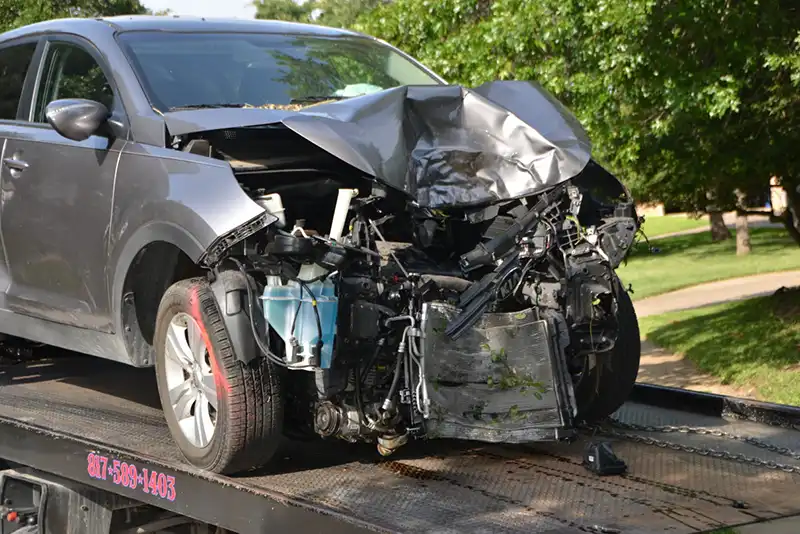
Commuting on the 610 Loop or battling I-45 often feels like a gamble where the odds aren’t in your favor. When a collision finally happens, the confusion about what comes next can be more stressful than the actual impact.
Many drivers mistakenly believe they must use the facility their insurer suggests. However, state law explicitly protects your Texas insurance claim rights for car repairs, granting you the power to choose who restores your vehicle.
Furthermore, the first price you see is rarely the final cost. In practice, technicians frequently find hidden structural issues—requiring a “supplemental estimate”—once they look behind the bumper. This guide addresses Houston Collision Expert Common Questions to explain this process and why Houston auto body shop certifications are vital for safety.
Can the Insurance Company Force Me to Use a Specific Shop?
One of the most common misconceptions after an accident is that you must use the repair facility your insurer recommends. Insurance companies often suggest shops within their Direct Repair Program (DRP)—a network of facilities that have agreed to specific pricing with the insurer—but this is strictly a suggestion. Under Texas insurance claim rights for car repairs, you have the absolute legal right to choose where your vehicle is fixed. Whether it’s a trusted local expert or the place closest to your home, the choice belongs to you, not the adjuster.
Deciding between an independent shop vs dealership body repair often comes down to personal preference and turnaround time. Independent shops frequently offer faster scheduling and more personalized service, while dealerships specialize in one specific brand. If your car is stuck on the side of I-10, dealing with non-driveable vehicle towing is the immediate priority. You can have the tow truck driver take the vehicle directly to your chosen shop; your insurance typically covers reasonable towing charges regardless of the destination.
To clarify your position, ask your adjuster these questions:
- “Does my policy cover towing to the shop of my choice?”
- “Are there any specific warranties provided if I use an out-of-network shop?”
- “How do you handle supplemental payments if my chosen shop finds more damage?”
Once the car arrives at your chosen shop, the technician begins the evaluation, but the first price you see rarely tells the whole story.
Why Your Initial Estimate Isn’t the Final Price: The ‘Hidden Layers’ of Collision Repair
When you look at your car after a wreck, you might just see a cracked bumper, but relying on an external inspection is like a doctor diagnosing a broken bone without an X-ray. Modern vehicles are designed to crush and absorb impact, meaning the safety systems behind the cosmetic panels often take the hardest hit. Knowing what to ask during a collision repair estimate—specifically about the likelihood of hidden damage—sets realistic expectations immediately.
Technicians reveal the truth during the “teardown” phase by removing outer layers to inspect the frame. This process often exposes shifted impact bars or damaged sensors, necessitating steps for filing a supplemental repair request. This isn’t a tactic to increase costs; it is the standard method for ensuring the insurance company covers every necessary repair, not just the ones visible in a preliminary photo.
Safety becomes the priority once these inner workings are exposed. A shiny new bumper is useless if the frame rails underneath are bent, compromising the car’s ability to protect your family in a future accident. Professional shops use digital measuring systems for verifying structural integrity after a wreck, ensuring the vehicle is returned to the manufacturer’s precise safety specifications rather than just looking good on the surface.
Once the full scope of damage is documented and approved, the focus shifts to sourcing replacement components. The specific materials used to rebuild your vehicle will drastically affect its future value.
OEM vs. Aftermarket Parts: Protecting Your Car’s Resale Value and Safety
Your insurance company might push for cheaper alternatives to save money, but you have the right to know exactly what is being installed on your vehicle. Comparing OEM vs aftermarket parts pros and cons helps drivers make informed decisions. OEM (Original Equipment Manufacturer) parts come directly from the company that built your car, ensuring a perfect match, while aftermarket parts are third-party copies that often vary in fit, material strength, and safety standards.
Recognizing this trade-off helps you advocate for your investment:
- OEM Parts: Guarantees precise fit, complies with rigorous crash safety testing, and helps maintain higher resale value.
- Aftermarket Parts: Lower upfront cost and high availability, but often lack crash-test validation and may void specific manufacturer warranties.
Beyond immediate safety, the type of components used plays a massive role in your financial recovery. When you eventually trade in or sell your vehicle, a repair history littered with generic parts can significantly hurt your diminished value appraisal after an accident. Using original parts is the best defense against losing thousands of dollars in equity simply because the repair was prioritized for cost rather than quality.
Texas weather is unforgiving, so part quality must be matched by high-end finishing. Always ask specifically about lifetime paint warranty coverage details, because low-quality clear coats often peel or fade under the intense Houston sun and humidity. Once the physical body is restored and painted, we must address the invisible technology hidden inside those new parts to ensure the car “sees” the road correctly again.
The ‘Smart Eyes’ of Your Car: Why Modern Crashes Require Digital Calibration
Modern vehicles rely on a network of “smart eyes”—cameras and radar sensors that power features like lane-keep assist and automatic braking. Even a minor fender bender in a parking lot can knock these sensitive instruments out of alignment, blinding your car to potential hazards. This is why ADAS sensor calibration after a car crash is a non-negotiable step in the repair process; technicians must digitally reset these systems so your vehicle reacts correctly to Houston traffic.
Beneath the sensors and sheet metal lies your car’s structural foundation, which absorbs impact energy to protect passengers. Repairing this framework requires millimetric precision, which is achieved using computerized frame straightening technology. Instead of guessing, we use lasers and digital readouts to pull the metal back to the manufacturer’s exact factory specifications, ensuring the car drives straight and remains safe for your family.
Because these repairs involve complex software and high-strength steel, not every shop has the training to handle them safely. The I-CAR Gold Class certification meaning essentially reveals which facilities invest in the ongoing training required to fix today’s advanced vehicles. Choosing a certified shop guarantees that the technicians working on your car understand both the physical metal and the digital brain, which is crucial for estimating accurate completion dates.
Timelines and Results: What to Expect Before You Drive Away
You have moved from the shock of a crash to the confidence of an informed owner. Instead of feeling pressured by insurance adjusters, you now possess the criteria for how to choose a certified collision center that prioritizes your family’s safety over quick, cheap fixes.
Realistic expectations prevent frustration; remember that the average turnaround time for major body work often spans two weeks or more due to complex sensor calibration. When the shop calls you for pickup, perform this final inspection:
- Inspect paint color consistency in direct sunlight.
- Verify that gaps between panels are even and tight.
- Start the engine to ensure no dashboard warning lights remain.
- Check for any “overspray” (rough paint texture) on windows or trim.
Having the answers to Houston Collision Expert Common Questions changes the repair process from a hassle into an investment in your vehicle’s future. Secure your lifetime warranty paperwork and drive onto the 610 Loop knowing your car isn’t just fixed—it’s restored to pre-accident safety standards.
https://nwhoustonautorepair.com/services/collision-repair/
Northwest Houston Auto Repair Heights and Collision Center
1608 W 22nd St
Houston, TX 77008-1504
281-607-0753
View our Google Listing