

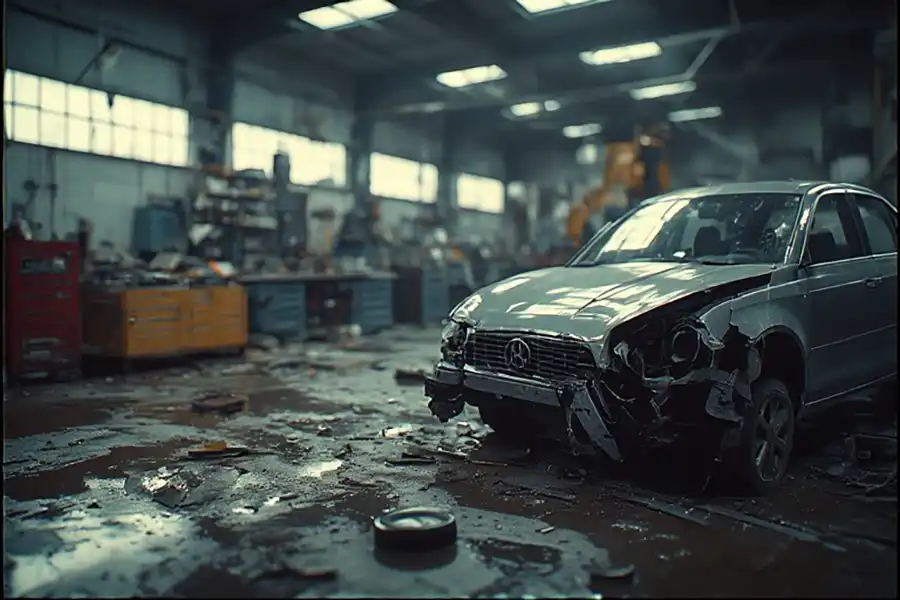
Not too long ago, a minor fender bender meant spending a few hours at a local body shop where a mechanic would hammer out the dent, apply some filler, and spray a fresh coat of paint. Today, modern vehicles are essentially sophisticated computers on wheels, built with complex alloys, intricate sensor networks, and high-voltage powertrains. Restoring a modern vehicle to its factory safety standards requires specialized knowledge and state-of-the-art equipment.
For car owners and automotive enthusiasts alike, understanding Advanced collision repair techniques and high-tech collision repair trends is essential. The industry has undergone a digital and structural revolution, shifting from guesswork to pinpoint accuracy. Here is a deep dive into the fascinating world of modern auto body repair.
The Digital Revolution in Damage Diagnostics
Before a single tool touches a damaged vehicle, technicians must understand exactly what happened beneath the surface. Today’s repair process begins with data.
- Data-Driven Insights: Modern auto shops increasingly rely on vehicle telematics for crash diagnostics. By downloading data directly from a vehicle’s onboard computer, technicians can see the exact speed, braking force, and angle of impact during a crash, helping them locate hidden structural damages.
- Augmented Reality: The adoption of AR assisted damage assessment tools is transforming how estimators work. By pointing a tablet at a wrecked vehicle, technicians can overlay 3D digital OEM (Original Equipment Manufacturer) schematics over the physical car. This instantly highlights hidden bent brackets or compromised crumple zones.
Structural Alignment: Precision Down to the Millimeter
A compromised frame can ruin a vehicle’s handling and severely impact its ability to protect passengers in a secondary crash.
When looking at manual vs computerized repair stations, the difference in accuracy is staggering. Manual measuring tools are rapidly being replaced by 3D laser frame measuring systems. These high-tech scanners map the entire geometry of the vehicle, providing real-time, millimeter-accurate measurements.
This data acts as a blueprint for computerized unibody frame straightening. Hydraulic pulling towers gently ease the vehicle’s chassis back to its exact factory dimensions. Finally, to guarantee safety, top-tier shops perform ultrasonic structural integrity testing. This non-destructive testing method uses high-frequency sound waves to detect microscopic stress fractures inside the metal that the naked eye cannot see.
Navigating Complex Metals and Composites
Modern automakers use a mix of lightweight and ultra-strong materials to improve fuel efficiency and crash safety. Treating these materials like traditional steel can result in disastrous, unsafe repairs.
- Understanding Composites and Alloys: Technicians must intimately understand carbon fiber vs aluminum repair. Aluminum requires dedicated clean rooms to prevent galvanic corrosion caused by cross-contamination with steel dust. Carbon fiber, on the other hand, often requires specialized structural adhesives or complete component replacement rather than traditional metalworking.
- Advanced Welding: When repairing the structural cage of a car, high-strength steel joining methods are critical. Ultra-high-strength steel (UHSS) loses its structural integrity if heated with a traditional torch. Instead, technicians use squeeze-type resistance spot welders (STRSW) and silicon bronze MIG brazing to join metals without compromising their molecular strength.
Smart Cars and Electric Vehicles: High-Tech Safety
Fixing the physical body of the car is only half the battle; the electronic brain must also be restored.
A modern bumper isn’t just a piece of plastic; it’s a housing for radar, sonar, and cameras. Because of this, drivers are often surprised by the high repair costs of smart sensors. Even minor collisions can misalign these vital components. Knowing exactly how to calibrate ADAS sensors (Advanced Driver Assistance Systems) is arguably the most important skill in modern auto repair. Whether it involves dynamic road testing or static calibration using geometric targets, precise calibration ensures your automatic braking and lane-keeping assist function flawlessly.
Furthermore, a comprehensive post-repair electronic diagnostic scanning is mandatory. This final scan clears fault codes and verifies that every electronic module is communicating properly.
For the growing number of EV drivers, electric vehicle battery repair safety is a paramount concern. High-voltage batteries pose severe fire and electrocution risks if handled improperly. Certified technicians must meticulously power down and isolate the high-voltage system before any structural repairs or welding can occur.
Restoring the Exterior: Refinishing and Dent Repair
When it comes to the exterior, collision repair and refinishing technology has leaped forward, combining efficiency with environmental consciousness.
If your vehicle has suffered weather-related damage, paintless dent repair for hail remains the gold standard. Utilizing specialized metal rods and reflective lighting, technicians massage the metal back into its original shape without ever breaking the factory paint seal, preserving the vehicle’s value.
When painting is required, the industry is moving away from toxic solvent-based paints. The eco-friendly waterborne paint benefits are immense. Not only do these paints drastically reduce the emission of harmful Volatile Organic Compounds (VOCs), but they also provide superior color matching and a cleaner, brighter finish that perfectly mimics the factory look.
Finding the Right Repair Facility
With vehicles becoming more complex by the day, you cannot trust your car to just anyone. The tools are only as good as the technicians wielding them.
Strict collision technician certification requirements, such as I-CAR Gold Class or specific OEM certifications, guarantee that a mechanic has undergone rigorous training in the latest automotive technologies. When your safety is on the line, you want certified professionals turning the wrenches.
If you are looking for a state-of-the-art facility equipped to handle these modern complexities, comprehensive service providers like https://nwhoustonautorepair.com/services/collision-repair/ offer the advanced technology and certified expertise necessary to restore your vehicle to its pre-accident condition safely and efficiently.
Houston Collision Repair
The days of the simple “hammer and paint” body shop are behind us. The integration of 3D lasers, ultrasonic testing, and advanced materials has elevated collision repair from a blue-collar trade to a highly specialized, tech-driven science. By understanding these advanced techniques, you can make informed decisions, ensuring your vehicle remains safe, reliable, and visually stunning for years to come.
NW Houston Auto Repair and Collision
1608 W 22nd St
Houston, TX 77008-1504
281-607-0753
View our Google Listing